

Planning your own food for backpacking can really save you some money and ensures you have quality ingredients. Choosing lightweight, nutritious and easy to cook ingredients can make your trip more enjoyable whether it be for a weekend hike or a 7 day adventure.
Your meals don’t have to be complicated when cooking your own backpacking food. Powdered peanut butter, trail mix, freeze-dried chicken, millet and dried fruits can all be used to create easy meals. They are easy to carry and store and can be used to create a variety of meals throughout your trip including breakfast, lunch, dinner and snacks on the go.
Comparison Table: Best Homemade Backpacking Food Products
| Product | Main Use | Preparation | Best For |
|---|---|---|---|
| PBfit Classic Powder | Protein-rich meals | Mix with water | Breakfast |
| Nature’s Garden Trail Mix | Ready-to-eat snacks | No cooking | Hiking snacks |
| SIMPLE KITCHEN Chicken | Protein-rich dinners | Rehydrate | Main meals |
| Anthony’s Organic Millet | Grain-based meals | Cook or prepare ahead | Breakfast and dinner |
| Augason Farms Strawberries | Fruit snacks | Ready to eat or rehydrate | Breakfast and desserts |
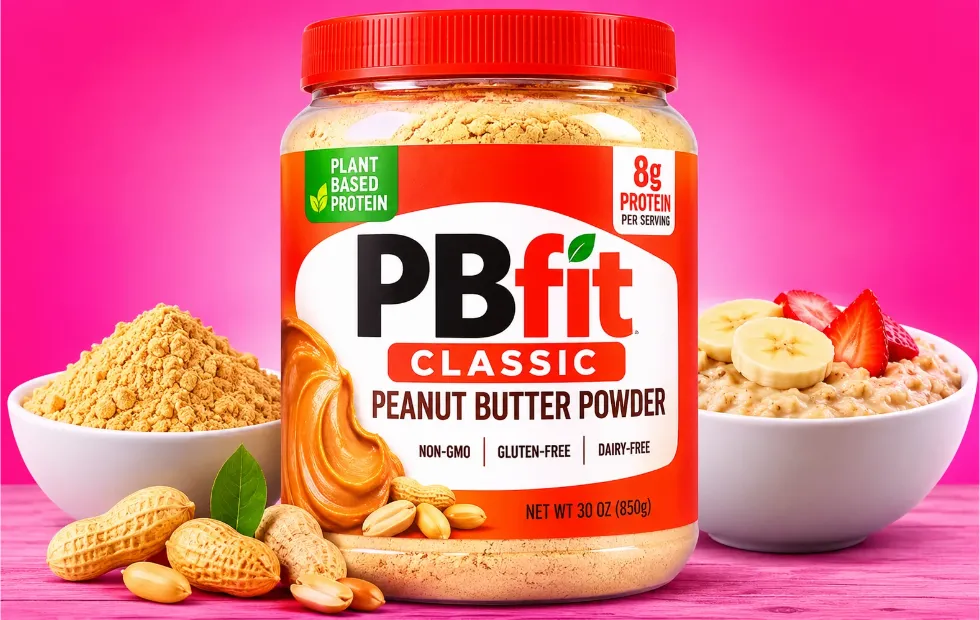
1. PBfit Classic Peanut Butter Powder 30 Oz – Best for Protein-Rich Backpacking Breakfasts
Product type: Powdered peanut butter
PBfit Classic Peanut Butter Powder is a convenient ingredient for hikers who enjoy peanut butter but want a lighter alternative to traditional peanut butter. It is made with roasted peanuts, coconut sugar, and salt, providing a familiar peanut flavor in an easy-to-pack powdered form.
For homemade backpacking food, this product is especially useful because you can mix it with water whenever you need it. You do not have to carry a heavy jar of regular peanut butter.
Key Features
- Made with roasted peanuts, coconut sugar, and salt.
- Provides 8 grams of plant-based protein per serving.
- Non-GMO and gluten-free.
- Dairy-free and soy-free.
- Contains approximately one-third the calories of regular peanut butter.
- Can be mixed with water to create a spread.
- Suitable for oatmeal, pancakes, waffles, and baking.
Pros
- Lightweight and convenient to pack.
- Provides plant-based protein.
- Easy to mix with water.
- Works in several homemade backpacking recipes.
- Offers a familiar peanut butter flavor.
Cons
- Requires water to make a traditional spread.
- Contains peanuts, which are a common allergen.
- Does not provide the same fat content as regular peanut butter.
Best For: Hikers who want an easy peanut-flavored ingredient for breakfast, snacks, and lightweight trail meals.
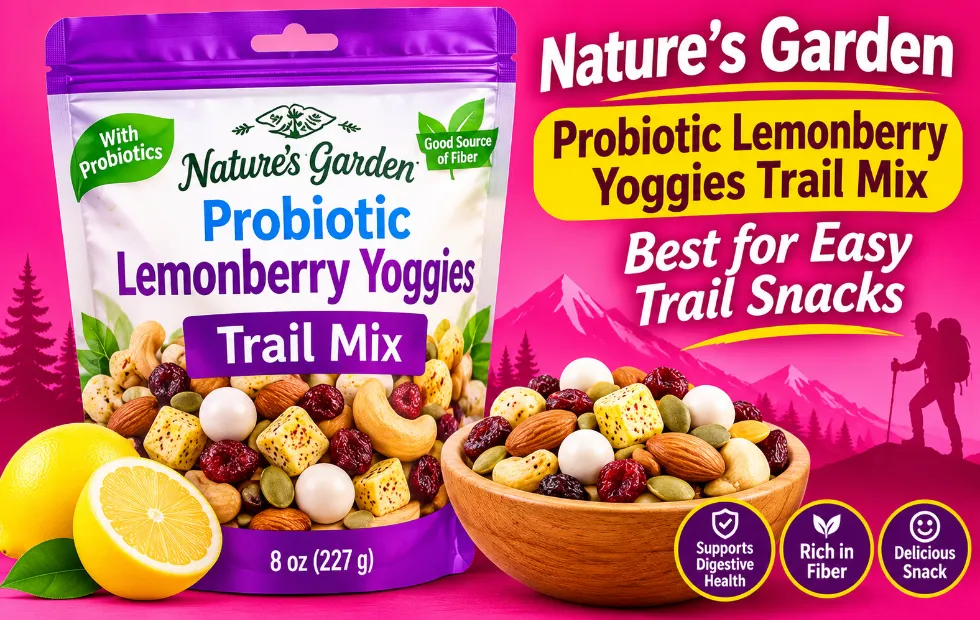
2. Nature’s Garden Probiotic Lemonberry Yoggies Trail Mix – Best for Easy Trail Snacks
Product type: Trail mix
Trail mix is one of the easiest foods to take backpacking because it requires no cooking, preparation, or refrigeration before opening. Nature’s Garden Probiotic Lemonberry Yoggies Trail Mix combines nuts, fruit ingredients, and yogurt-coated pieces to create a convenient snack.
This product includes almonds, cashews, cranberries, lemon chia seed fruit cubes, pumpkin seeds, and Lemonberry Yoggies.It also contains probiotics and fiber, making it an interesting addition to your everyday hiking snacks.The resealable pouch helps keep the remaining trail mix together when you are traveling between campsites or taking breaks along a hiking route.
Key Features
- Includes almonds and cashews.
- Contains cranberries and lemon chia seed fruit cubes.
- Includes pumpkin seeds.
- Features yogurt-coated Lemonberry Yoggies.
- Provides 1 billion probiotics per serving, according to the product information.
- Contains fiber.
- Comes in a resealable pouch.
- Available in an 8-ounce pack of two.
Pros
- Ready to eat without cooking.
- Combines nuts, fruit, and yogurt-coated pieces.
- Convenient resealable packaging.
- Easy to divide into smaller portions.
- Useful for hiking breaks and everyday snacking.
Cons
- Contains tree nuts.
- Yogurt-coated pieces may not be ideal in hot weather.
- Not suitable for people avoiding dairy without checking the full ingredient label.
Best For: Backpackers who need convenient snacks for hiking, walking, and outdoor adventures.
3. SIMPLE KITCHEN Freeze Dried Chicken #10 Can – Best for Homemade Backpacking Dinners
Product type: Freeze-dried chicken
Preparing a satisfying dinner after a long day of hiking can be challenging, especially when you have limited cooking equipment. SIMPLE KITCHEN Freeze Dried Chicken provides a convenient ingredient for creating homemade Backpacking Food without carrying fresh meat.
This product contains precooked chicken that can be rehydrated with water before being added to different recipes.It is especially useful for Backpacking Food who enjoy chicken-based dinners, soups, and rice-style meals. Instead of carrying refrigerated chicken, you can bring an appropriate portion of freeze-dried chicken in a sealed food container.The #10 can provides 16 servings according to the product information, making it useful for preparing multiple meals at home or portioning for outdoor trips.
Key Features
- Contains freeze-dried precooked chicken.
- Designed for convenient rehydration.
- Provides 16 servings per can.
- Suitable for soups and chicken-based recipes.
- Convenient pantry storage.
- Useful for camping and emergency food supplies.
- Can be incorporated into different homemade recipes.
Pros
- Convenient alternative to fresh chicken.
- Useful for several homemade recipes.
- Does not require refrigeration while properly stored.
- Suitable for soups and main meals.
- Helps add protein to backpacking dinners.
Cons
- Requires water for preparation.
- The large can is not practical to carry on a backpacking trip.
- Needs proper portioning and packaging before departure.
- Rehydration and cooking time must be considered.
Best For: Backpackers who want to prepare homemade chicken dinners without carrying fresh meat.

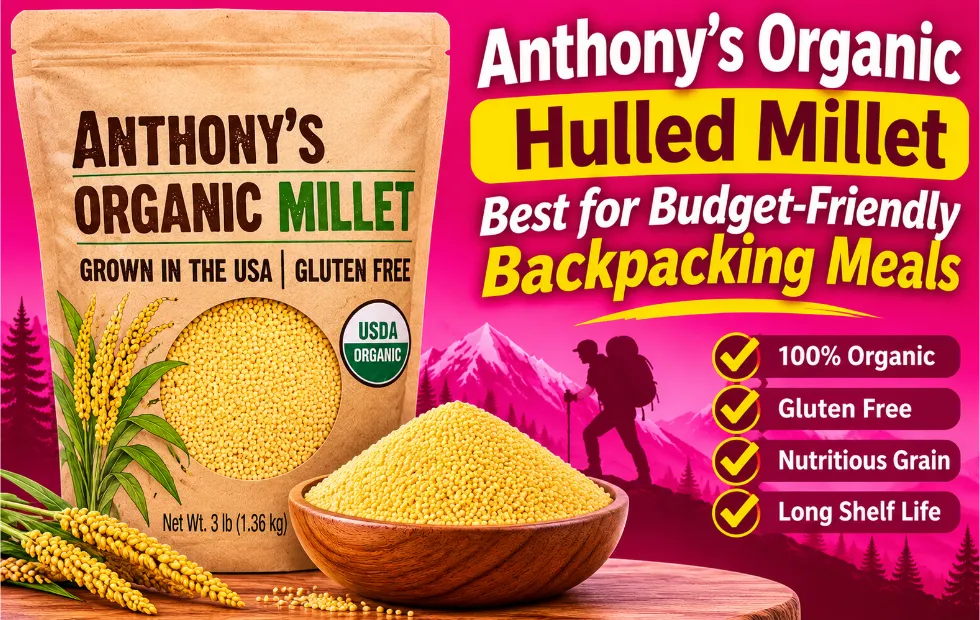
4. Anthony’s Organic Hulled Millet, 3 lb – Best for Budget-Friendly Backpacking Meals
Product type: Organic whole grain
Millet is a versatile grain that can be used as an alternative to rice or quinoa. Anthony’s Organic Hulled Millet is a useful pantry ingredient for people who want to prepare affordable homemade backpacking meals.This product contains organic raw hulled millet grown and packed in the United States. It is also batch-tested and verified gluten-free according to the product information.
Millet works well in different recipes because it has a mild flavor that pairs with vegetables, seasonings, chicken, and other ingredients.For Backpacking Food, you can prepare millet at home and dehydrate it using an appropriate food dehydrator. Alternatively, pack it uncooked if you have enough cooking time and fuel available.
Key Features
- USDA organic hulled millet.
- Grown and packed in the United States.
- Batch-tested and verified gluten-free.
- Made from the Proso millet variety.
- Suitable as a rice or quinoa alternative.
- Can be added to salads, granola, and vegetable burgers.
- Available in a 3-pound package and a pack of two.
Pros
- Organic grain ingredient.
- Versatile for breakfast and dinner.
- Gluten-free according to product testing.
- Useful alternative to rice and quinoa.
- Can be purchased in larger quantities.
Cons
- Uncooked millet requires cooking time.
- Requires water and fuel for preparation.
- The original package is too bulky for hiking.
- Needs preparation before becoming a quick backpacking meal.
Best For: Backpackers looking for an affordable grain to use in homemade breakfasts and savory dinners.
5. Augason Farms Freeze-Dried Sliced Strawberries – Best for Lightweight Fruit Snacks
Freeze-dried fruits are a great addition to your home-made foods for hiking. Fresh strawberries can be tricky to take on longer hikes as they can easily get damaged and need to be stored carefully. Augason Farms Freeze-Dried Sliced Strawberries are a great option as they can be easily taken on the go. Light weight and ready to eat, there is no need to put them in the fridge before opening if you store them as stated on the packet.
These can be eaten straight from the packet or mixed with other ingredients for your hiking. Great for hikers looking to make home-made breakfast bowls, snacks and easy desserts.
Key Features
- Freeze-dried sliced strawberries.
- Provides 18 servings according to the product information.
- Advertised 30-year shelf life when properly stored.
- Packaged in airtight steel cans.
- Gluten-free.
- No added sugar or preservatives according to the product information.
- Suitable for camping, hiking, and emergency food storage.
- Can be added to oatmeal, cereal, and desserts.
Pros
- Lightweight and easy to portion.
- No refrigeration required before opening when properly stored.
- Convenient for breakfasts and snacks.
- Offers natural strawberry flavor.
- Useful for long-term pantry storage.
Cons
- Can become crushed if packed carelessly.
- Requires careful resealing after opening.
- The original steel can is too heavy and bulky for backpacking.
- Has a different texture from fresh strawberries.
Best For: Backpackers who want convenient fruit ingredients for oatmeal, trail snacks, and homemade desserts.

Final Thoughts on Homemade Backpacking Food
Preparing homemade backpacking food is a practical way to enjoy convenient meals without relying entirely on expensive prepackaged camping products. With the right combination of grains, powdered ingredients, trail snacks, freeze-dried meat, and fruit, you can create a flexible meal plan for different outdoor adventures.
PBfit Classic Peanut Butter Powder is useful for quick breakfasts, Nature’s Garden Trail Mix works well for hiking snacks, and SIMPLE KITCHEN Freeze Dried Chicken provides an easy ingredient for homemade dinners. Anthony’s Organic Hulled Millet offers a versatile grain option, while Augason Farms Freeze-Dried Strawberries add fruit to breakfast bowls and trail snacks.
The best approach is to prepare your portions at home, choose lightweight packaging, and plan meals around your daily energy requirements. With a little organization, homemade backpacking food can make your next camping or hiking trip easier, more affordable, and more enjoyable.
What Are Some Good Homemade Meals for Backpacking?
Good homemade Backpacking Food should be lightweight, filling, easy to prepare, and made with ingredients that can be stored safely.
Here are some simple ideas:
- Peanut Butter Oatmeal: Combine instant oats, PBfit powder, and dried strawberries.
- Chicken and Millet Bowl: Mix prepared millet with rehydrated chicken and seasonings.
- Trail Mix Snack Packs: Portion almonds, cashews, cranberries, and other snack ingredients into small bags.
- Strawberry Breakfast Bowl: Combine dried strawberries, oats, and powdered milk.
- Savory Chicken Soup: Use freeze-dried chicken, dried vegetables, broth seasoning, and water.
These recipes are easy to adjust depending on your calorie requirements and personal preferences.
What Is the Best Food to Take Backpacking?
The best food to take backpacking is lightweight, nutritious, calorie-dense, and easy to prepare.
Some excellent choices include:
- Instant oatmeal.
- Powdered peanut butter.
- Trail mix.
- Freeze-dried chicken.
- Dehydrated vegetables.
- Rice and millet.
- Dried fruits.
- Tortillas and crackers.
- Energy bars.
- Powdered milk.
Try to combine carbohydrates, protein, and fats throughout the day. This helps provide energy for walking, climbing, and other outdoor activities.
What Are 10 Easy Meals I Can Cook for Camping?
If you want variety during your outdoor adventure, these ten camping meals are worth considering.
- Peanut butter and strawberry oatmeal.
- Chicken and millet bowls.
- Vegetable rice with seasonings.
- Chicken noodle soup.
- Peanut butter pancakes.
- Trail mix breakfast bowls.
- Dehydrated vegetable and chicken stew.
- Strawberry and powdered milk porridge.
- Savory millet with dried vegetables.
- Chicken and instant rice.
You can prepare many of these meals using a single camping pot, a spoon, and a portable stove.
You may also like Enamel Camping Cookware
What Food to Pack for a 7-Day Camping Trip?
For a seven-day camping trip, plan your Backpacking Food according to the number of meals, snacks, and daily calorie requirements.
A practical food list might include:
- Seven breakfast portions of oatmeal or millet.
- Seven lunch portions of tortillas, crackers, or other easy-to-carry foods.
- Seven dinner portions of chicken, rice, millet, or dehydrated meals.
- Seven or more trail snack portions.
- Freeze-dried strawberries for breakfasts and desserts.
- Trail mix for hiking breaks.
- Powdered peanut butter for extra variety and protein.
- Electrolyte drink mixes if appropriate for your activity.
Also pack enough drinking water or a suitable water treatment system. Your food plan should account for reliable access to safe water.
Tips for Preparing Homemade Backpacking Food
A little preparation at home can make cooking outdoors much easier.
1. Portion Your Meals Before Leaving
Divide your ingredients into individual servings. This saves time and helps you avoid carrying unnecessary quantities.
2. Use Lightweight Packaging
Transfer suitable dry ingredients into food-safe resealable bags or lightweight containers. Label each meal with its contents and preparation instructions.
3. Choose Ingredients That Work Together
Buy ingredients that can be used in multiple recipes. For example, PBfit can be added to oatmeal, while millet and freeze-dried chicken can be combined for dinner.
4. Practice Cooking at Home
Try your recipes before leaving. This helps you understand cooking times, water requirements, and portion sizes.
5. Store Food Properly
Keep dry foods sealed and protected from moisture. Follow manufacturer storage instructions, especially after opening freeze-dried products.
6. Plan for Food Safety
Do not assume that a dry ingredient is automatically safe after rehydration. Use clean water, prepare meals properly, and eat rehydrated foods promptly. Follow product-specific instructions.
Frequently Asked Questions (FAQs)
1. Can I prepare homemade backpacking food ahead of time?
Yes. You can prepare dry meal combinations, portion ingredients, and package individual servings several days or weeks before your trip. Store them in airtight Backpacking Food in a cool, dry place.
2. Is homemade backpacking food cheaper than freeze-dried meals?
Homemade backpacking food can be cheaper because you can purchase ingredients in bulk and prepare several portions at once. However, the final cost depends on the ingredients and preparation methods.
3. What is the easiest breakfast for backpacking?
Instant oatmeal is one of the easiest Backpacking Food. You can add PBfit powder and freeze-dried strawberries for additional flavor and variety.
4. How can I add protein to homemade backpacking meals?
You can use powdered peanut butter, freeze-dried chicken, nuts, seeds, and other suitable protein-rich ingredients.
5. Do freeze-dried foods need refrigeration?
Unopened freeze-dried products generally do not require refrigeration when stored according to their Backpacking Food instructions. After rehydration, treat them as prepared Backpacking Food and follow food-safety guidelines.
6. How do I make backpacking meals lightweight?
Choose dry ingredients, remove unnecessary Backpacking Food, portion meals individually, and use lightweight Backpacking Food. Avoid carrying bulky original containers.
7. Can I eat freeze-dried strawberries without cooking them?
Yes. Freeze-dried strawberries are generally ready to eat directly from the package. You can also add them to oatmeal, cereal, and other Backpacking Food.
8. What cooking equipment do I need for homemade backpacking food?
A small camping stove, lightweight cooking pot, spoon, and suitable water container are enough for many simple Backpacking Food recipes. Some trail snacks require no cooking equipment at all.
9. How many calories should I pack for a day of backpacking?
Calorie requirements depend on body size, hiking distance, terrain, weather, and activity level. Plan meals around your individual energy needs rather than following one fixed calorie target.
1 Comment
[…] You may also like Homemade Backpacking Food […]